Can CBD Help Blood Sugar?
What the research actually says about CBD, THCV, and metabolic health — from a registered nurse who believes in science without the hype.
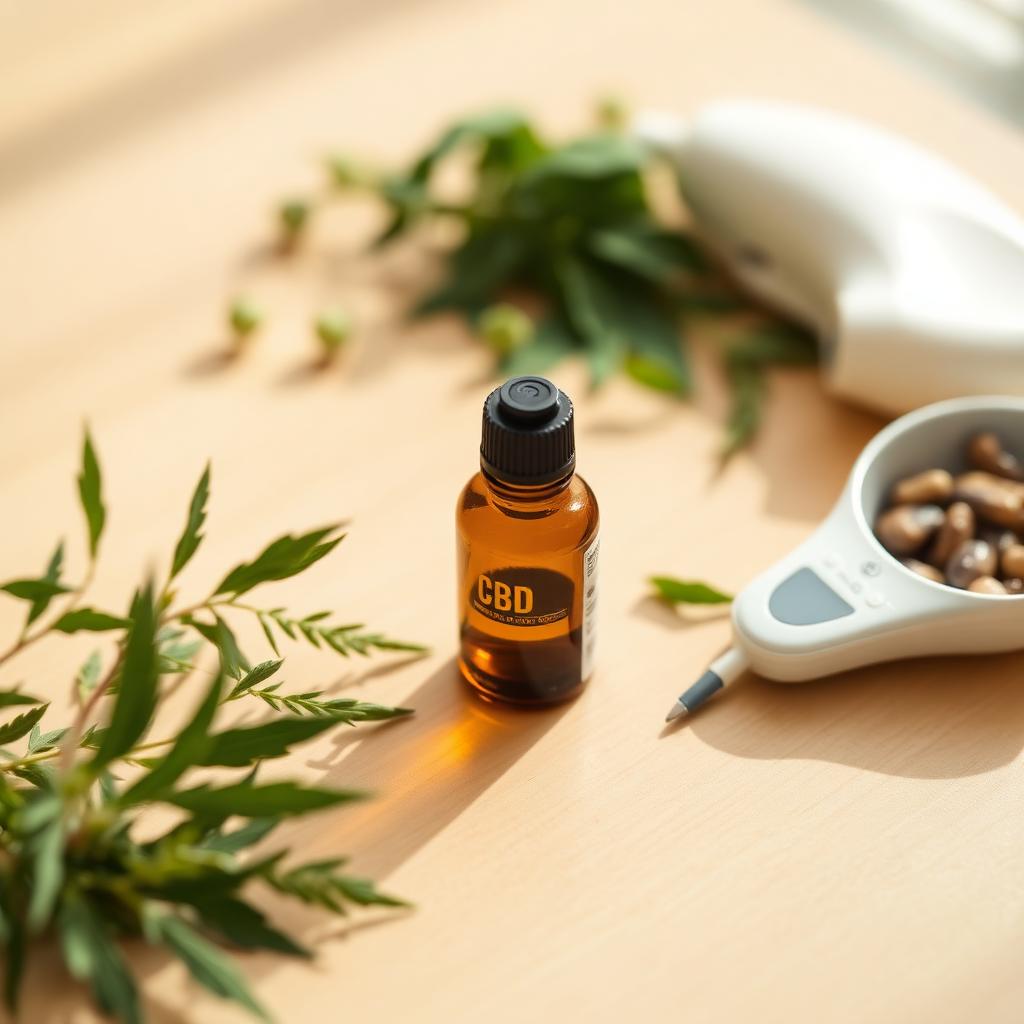
If you've been looking for natural ways to support healthy blood sugar, lose weight, or better understand the growing conversation around GLP-1 medications, you've probably seen bold claims online.
Some say CBD is the answer. Others say it doesn't work at all.
The truth is somewhere in between — and it's far more encouraging than most people realize.
As a registered nurse, I believe people deserve honest information that is grounded in science, balanced by clinical judgment, and focused on realistic expectations rather than hype.
The conversation is changing.
Just a few years ago, most people thought the endocannabinoid system had very little to do with metabolism.
Today, researchers know that this system helps regulate many of the same processes involved in metabolic health, including inflammation, appetite, energy balance, fat storage, insulin signaling, and glucose metabolism. Scientists around the world are actively studying how cannabinoids may influence these pathways. While much remains to be learned, it's an exciting and rapidly evolving field of research.
That's why you're hearing so much more about CBD, THCV, and metabolic health today than you did even five years ago.
What does the research actually tell us?
The current evidence suggests that CBD is not a replacement for healthy nutrition, exercise, or medications when they're medically appropriate.
However, it may be one piece of a much larger wellness strategy.
Researchers have found that CBD may help support areas that influence metabolic health, including inflammation, sleep quality, stress, recovery, and overall balance within the body's endocannabinoid system. While human studies specifically looking at blood sugar have produced mixed results, the biological pathways involved are real, and the research continues to grow.
Why is everyone suddenly talking about THCV?
One cannabinoid generating considerable interest is THCV.
Unlike CBD, THCV appears to interact with the endocannabinoid system differently. Early human research has suggested potential improvements in fasting blood glucose and pancreatic beta-cell function in people with type 2 diabetes. Animal studies have also suggested effects on appetite regulation and metabolism.
These findings are exciting because they point toward entirely new ways of thinking about metabolic health. At the same time, the research is still in its early stages, and larger clinical trials are needed before healthcare professionals can make broad treatment recommendations.
There is genuine reason for optimism —
but also good reason to remain scientifically honest.
My perspective as a nurse
After caring for patients for more than 30 years, I've learned something that research studies don't always capture.
People rarely tell me, "My fasting glucose dropped eight points."
They tell me:
- I have more energy.
- I'm not craving sugar all afternoon.
- I'm sleeping better.
- I'm walking more because I feel better.
- I'm finally starting to feel like myself again.
Those changes matter.
Because better health is rarely the result of one dramatic moment. It's usually the accumulation of dozens of small improvements that make healthy choices easier to maintain.
That's exactly why I'm interested in cannabinoids — not because they're magic, but because they may help support the body's ability to move in a healthier direction.
Should you replace your GLP-1 medication with CBD?
For most people, the answer is no.
GLP-1 medications have strong clinical evidence supporting their use for diabetes and weight management.
CBD and other cannabinoids should be viewed differently.
Rather than asking, "Which one is better?" I encourage people to ask, "What combination of evidence-based tools best fits my goals, my health, and my lifestyle?"
Sometimes that includes prescription medication. Sometimes it includes CBD. Sometimes it includes both under the guidance of a knowledgeable healthcare professional.
The best plan is the one that aligns with your health goals, medical history, and realistic expectations.
The bottom line
The science surrounding CBD, THCV, and metabolic health is moving quickly.
We don't have all the answers yet.
But we know far more today than we did just a few years ago, and the research continues to grow.
For many people, that's reason enough to begin asking better questions, learning how the endocannabinoid system works, and exploring their options with realistic expectations instead of fear or hype.
Want to learn more?
If you're trying to understand CBD, GLP-1 medications, blood sugar, and metabolic health without the confusion, my CBD for Metabolic Health guide was written to help you understand the science in plain English.
You'll learn:
- How the endocannabinoid system relates to metabolism
- The differences between CBD, THC, and THCV
- What current research says — and what it doesn't
- Safety considerations and medication interactions
- Practical guidance for making informed decisions
Because my goal isn't simply to help you understand CBD. It's to help you make informed decisions that allow you to reclaim more of your life.
Continue Learning
Explore more evidence-based education from The Cannabis Nurse, including articles on chronic pain, sleep, CBD safety, and healthy aging.
Visit the Education CenterTheresa Strahan, BSN, RN, CNHC
The Cannabis Nurse
Helping adults reclaim more of their lives through evidence-based CBD and cannabis education.