Supporting Blood Sugar Takes More Than One Supplement
Why a single bottle can't outwork a broken foundation
by Theresa Strahan, BSN, RN, CNHC
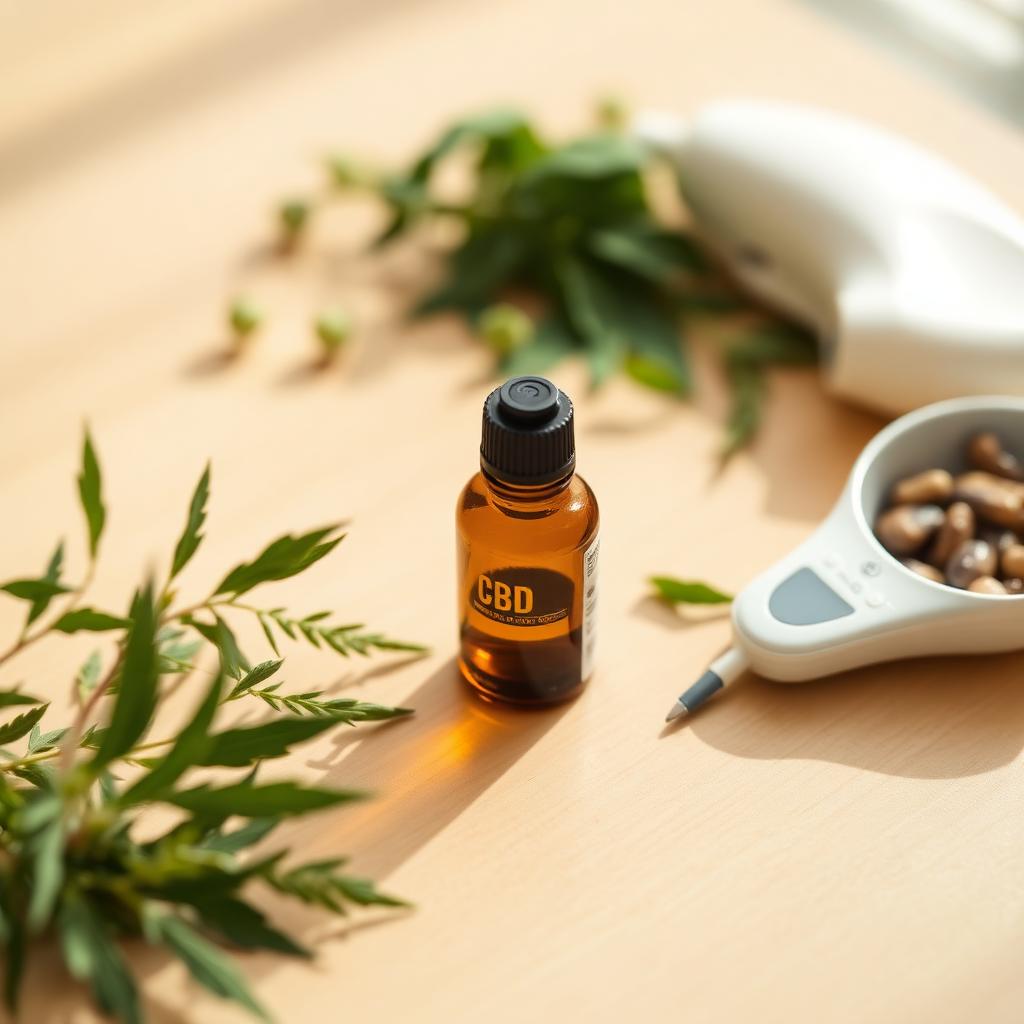
If you've ever searched for help with blood sugar online, you've probably seen the ads: one supplement that promises to "fix" glucose, crush cravings, and melt weight.
As a registered nurse, I wish it were that simple.
The truth is that blood sugar regulation is a team sport. No single capsule can fully compensate for poor sleep, chronic stress, a sedentary body, or a diet that spikes glucose all day long. That doesn't mean supplements are useless — it means they work best when they're part of a larger, consistent strategy.
In this article, I'll walk you through the real pillars of blood sugar support, where specific supplements and cannabinoids like CBD may fit, and how to build a plan that actually makes sense for your daily life.
Why blood sugar is about more than food
Most people think blood sugar is only about carbohydrates. Carbs do matter, but they're only one piece of the puzzle.
Your body uses hormones, nerves, muscle tissue, sleep cycles, and inflammation signals to decide what to do with glucose. When any of those systems are stressed, blood sugar can rise even if your meal was "healthy."
That explains why two people can eat the same meal and have very different responses.
It also explains why the most effective blood sugar plans address the whole person:
- Nutrition quality and meal timing
- Physical movement and muscle use
- Sleep duration and quality
- Stress and nervous system regulation
- Gut health and inflammation
- Targeted supplements when appropriate
Skip one pillar for too long, and the others have to work harder to compensate.
What the research says about CBD and metabolic support
CBD won't replace your meal plan or your walks. But early research suggests it may support several of the systems that influence blood sugar.
Studies have explored CBD's potential effects on inflammation, stress responses, sleep quality, and even insulin sensitivity. Some cannabinoids, such as THCV, have been studied specifically for appetite and glucose-related effects, though the evidence is still emerging.
In my clinical experience, people often notice that CBD helps them sleep more soundly and feel less wired during the day. When sleep and stress improve, blood sugar behavior often improves too — not because CBD is a direct "glucose fixer," but because the body functions better when it's not stuck in survival mode.
I cover the specific research, dosing framework, and product selection in my CBD for Metabolic Health guide.
Supplements that can support — not replace — the basics
The right supplement can be a helpful adjunct. The wrong supplement is just an expensive distraction.
Before spending money, I always ask: are the basics consistent enough that a supplement has a fair chance to help? If sleep is three hours a night and every meal is processed carbs, a bottle of pills won't move the needle much.
Once the foundation is steadier, these are some of the most commonly studied options:
- Magnesium — involved in insulin signaling and glucose metabolism
- Berberine — studied for its effects on blood sugar and insulin sensitivity
- Alpha-lipoic acid — researched for antioxidant and metabolic support
- Omega-3 fatty acids — may support inflammation and cardiovascular health
- Chromium — involved in carbohydrate and lipid metabolism
- CBD / THCV — emerging cannabinoid research on stress, sleep, appetite, and glucose
None of these are prescriptions, and none are appropriate for everyone. If you take medications for diabetes, blood pressure, or blood thinners, check with your practitioner before adding supplements or CBD.
The hidden blood sugar saboteurs
Sometimes the biggest wins come from removing what is working against you. In my practice, I see the same culprits over and over:
- Skipping breakfast, then overeating at night
- Drinking coffee or energy drinks on an empty stomach
- Eating protein and carbs without fiber or fat
- Sitting all day, then doing one hard workout
- Staying up late and calling it "self-care"
- Living in a state of constant low-grade stress
Fixing even one or two of these can lower your average glucose more than any single supplement. That's why my approach starts with the daily rhythm, not the product list.
How to build a realistic blood sugar plan
You don't need to overhaul everything overnight. The people who do best are the ones who pick one or two changes and repeat them until they feel automatic.
Here's a simple framework I use:
- Anchor your first meal. Start the day with protein, fiber, and fat to set a steady glucose tone.
- Move after meals. A 10-minute walk after eating can significantly blunt a glucose spike.
- Protect your sleep. Aim for a consistent wind-down and 7–8 hours when possible.
- Manage stress daily. Breathwork, brief walks, CBD, or journaling can lower cortisol-driven glucose rises.
- Add one supplement at a time. Track how you feel and what your labs do before stacking more.
If you want a full walkthrough with specific product guidance, my guide was built for exactly this.